
About Cheadle
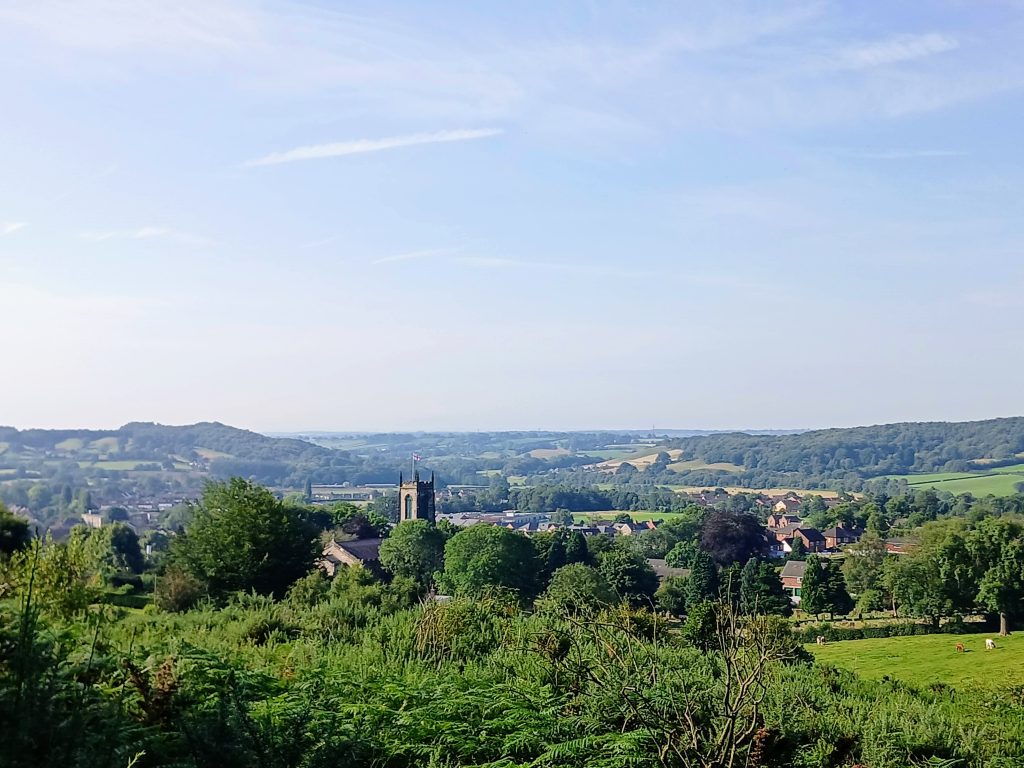
Cheadle is a vibrant and friendly market town in the heart of Staffordshire Moorlands, nestled on the edge of the beautiful Churnet Valley and close to the Peak District. With a population of around 12,000, Cheadle is known for its strong community spirit, striking architecture, and rich heritage. At the heart of the town stands St Giles’ Catholic Church—famously known as “Pugin’s Gem”—a breathtaking Gothic Revival landmark that draws visitors from far and wide. The town is home to a range of independent shops, welcoming cafes, and green spaces, and offers a balance of rural charm and modern convenience.
Today, Cheadle is a thriving place to live, work and visit. We’re proud of our history, but even more excited about the future. From lively community events and youth clubs to volunteer-led groups and local charities, there’s always something happening here. Our schools are at the heart of the town, and we’re continuing to invest in public spaces and local facilities. Whether you’re exploring Cheadle’s rich history, enjoying the nearby natural beauty, or taking part in our vibrant community life, the town offers a warm welcome and an excellent quality of life.
History of Cheadle
Cheadle’s history stretches back to Anglo-Saxon times and is recorded in the Domesday Book of 1086. It remained a small farming settlement until 1250, when King Henry III granted it a market charter, sparking its growth as a market town. Over the centuries, Cheadle developed a range of industries, from coal mining and ironworking to silk weaving and brass manufacturing. The town’s most iconic landmark, St Giles’ Catholic Church—designed by Gothic Revival architect Augustus Pugin and completed in 1846—is widely regarded as one of his finest works. The medieval parish church of St Mary, the Victorian town hall, and the nearby ruins of Croxden Abbey further reflect Cheadle’s rich architectural and religious heritage.
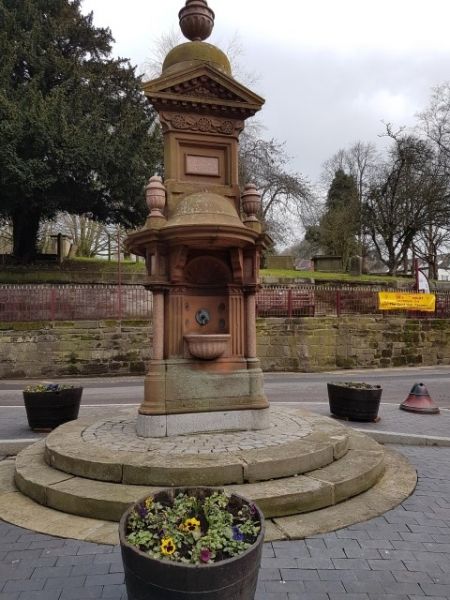
Bourne Fountain
The Bourne Fountain, a prominent landmark in the heart of Cheadle, Staffordshire, boasts a rich history that stretches back several centuries. Its origins can be traced to the early 19th century when the town was undergoing significant development and expansion.
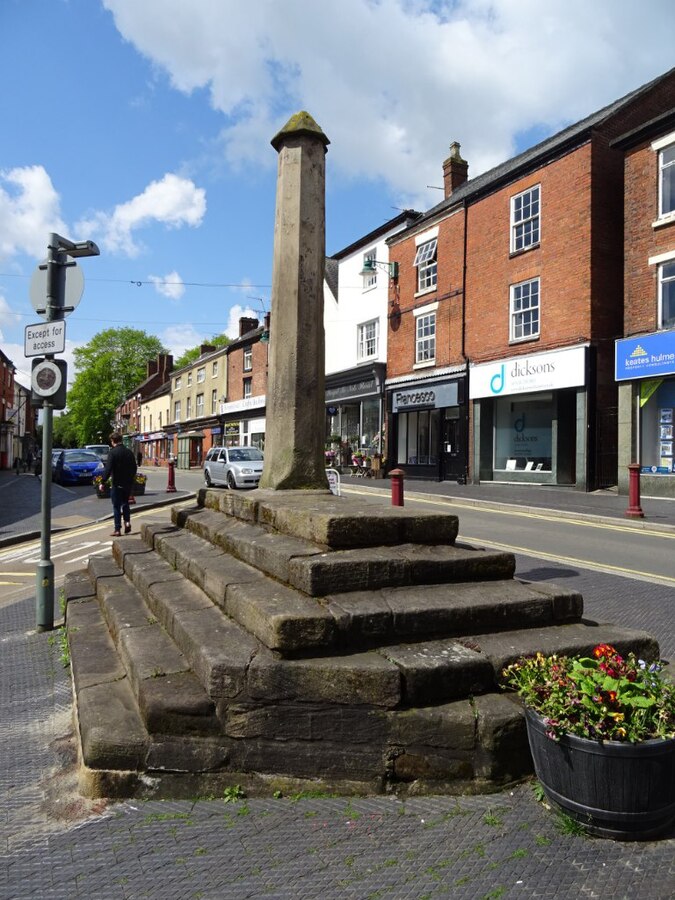
Market Cross
Cheadle’s Market Cross, often referred to locally as the Butter Cross, is one of the town’s oldest surviving landmarks. Dating back to the 17th century, it stands at the junction of High Street and Cross Street, marking the historic heart of Cheadle’s market activity.
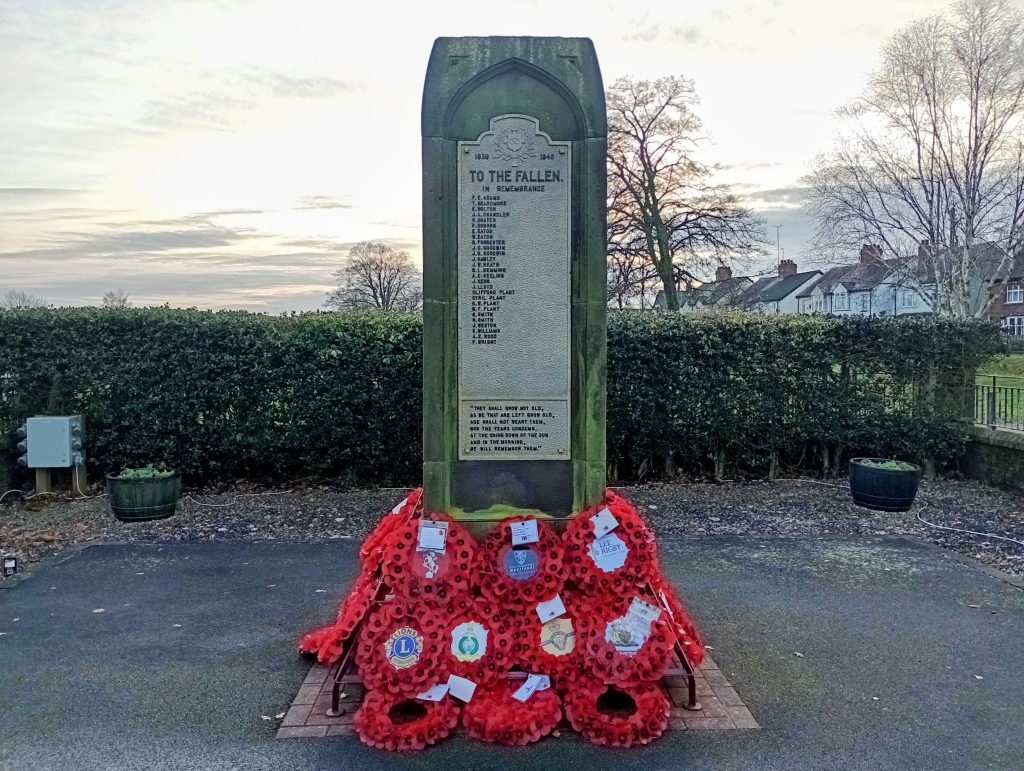
War Memorial
Originally unveiled in 1921 to honour those lost in the First World War, the memorial has since been updated to include the names of those who died in the Second World War and later conflicts. Carved from stone and set upon a simple pedestal, the monument bears the names of Cheadle’s fallen.
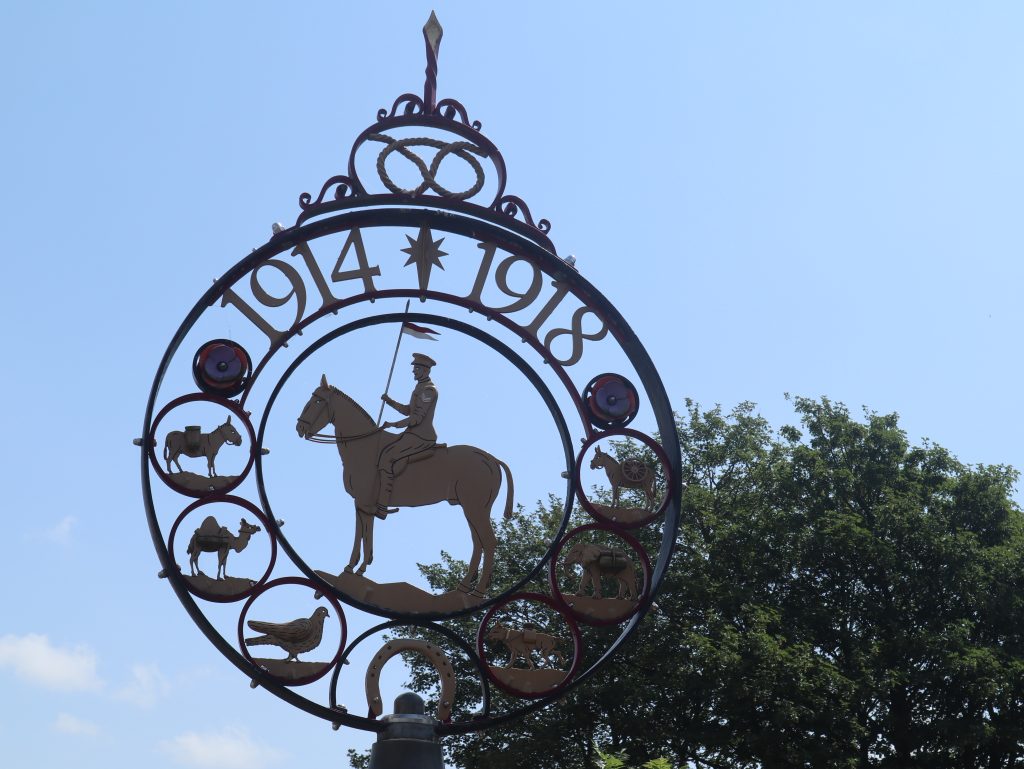
Monuments
From Jim Plant’s moving tribute to the men and animals of the Great War to the celestial Armillary Sphere honouring Mary Adela Blagg, Cheadle’s monuments tell powerful stories of sacrifice, science, and community pride.
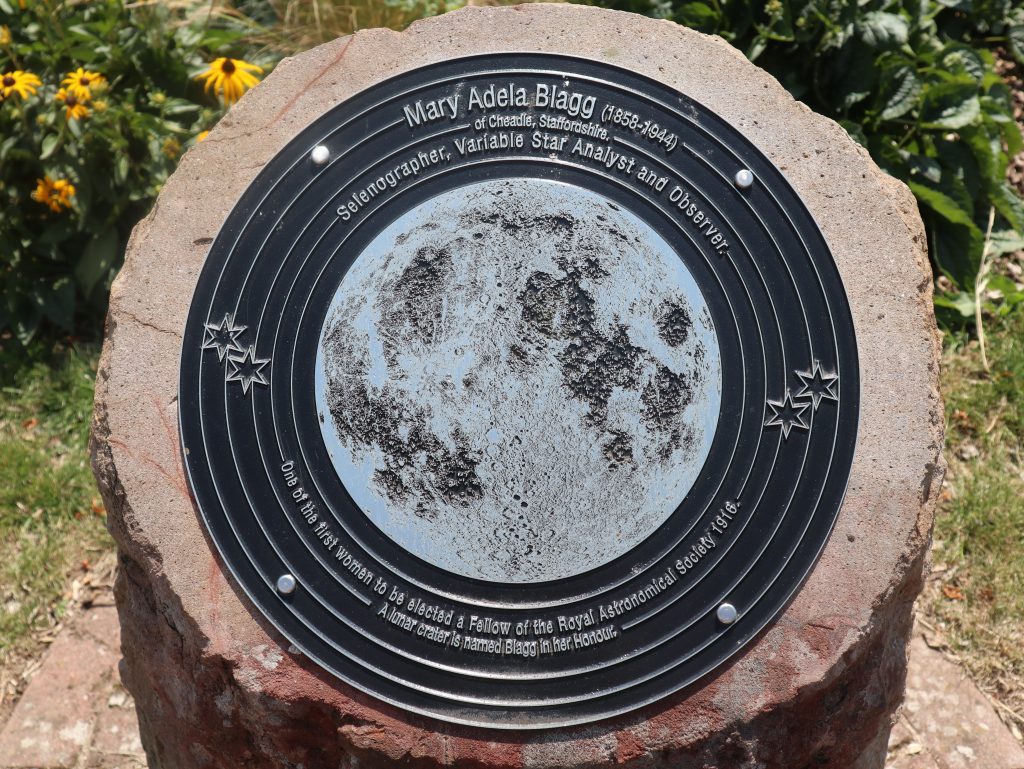
Mary Blagg
Mary Adela Blagg (1858–1944) was a remarkable Cheadle-born astronomer whose pioneering work forever changed how we understand the Moon. Self-taught in mathematics, she began studying astronomy in her mid‑forties after attending local lectures in Cheadle.

Historic Buildings
Cheadle’s streets are rich with history, from timber-framed Tudor houses to Pugin’s magnificent Gothic revival church. Each building adds a chapter to the town’s story.