Historic Buildings
Pugin’s Gem
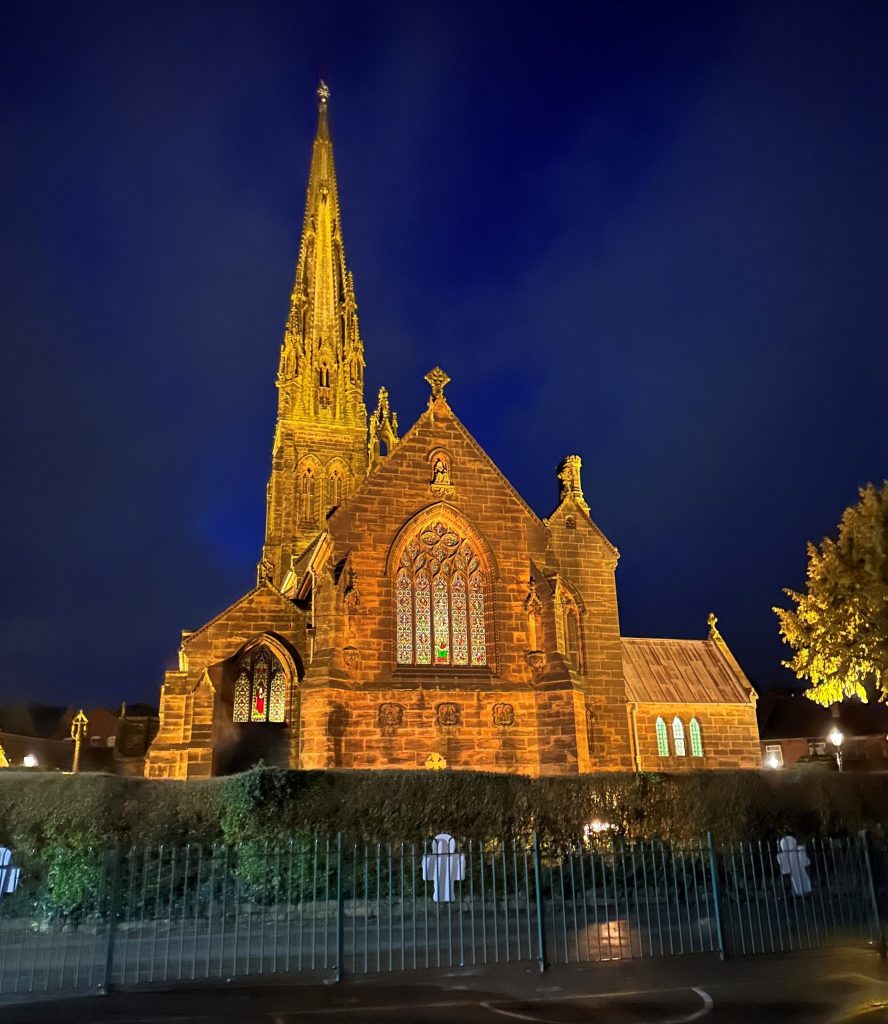
Known locally as “Pugin’s Gem”, St Giles’ Catholic Church is regarded as one of the finest examples of Gothic Revival architecture in the country. Designed by the great Victorian architect Augustus Welby Northmore Pugin, the church was completed in 1846 and is celebrated for its soaring spire, intricate stained glass, and breathtaking interior decoration. Its nickname reflects both the beauty of the building and its significance as one of Pugin’s masterpieces—an architectural treasure not just for Cheadle, but for England as a whole.
The Tudor House
Standing proudly on the High Street, the Tudor House is one of Cheadle’s most distinctive historic buildings. With its black-and-white timbered façade and steep gables, it reflects the charm of traditional Tudor architecture and has long been a favourite feature of the townscape. Over the centuries it has served many uses, but today it remains a reminder of Cheadle’s rich heritage and the craftsmanship of an earlier age.

The Market Square
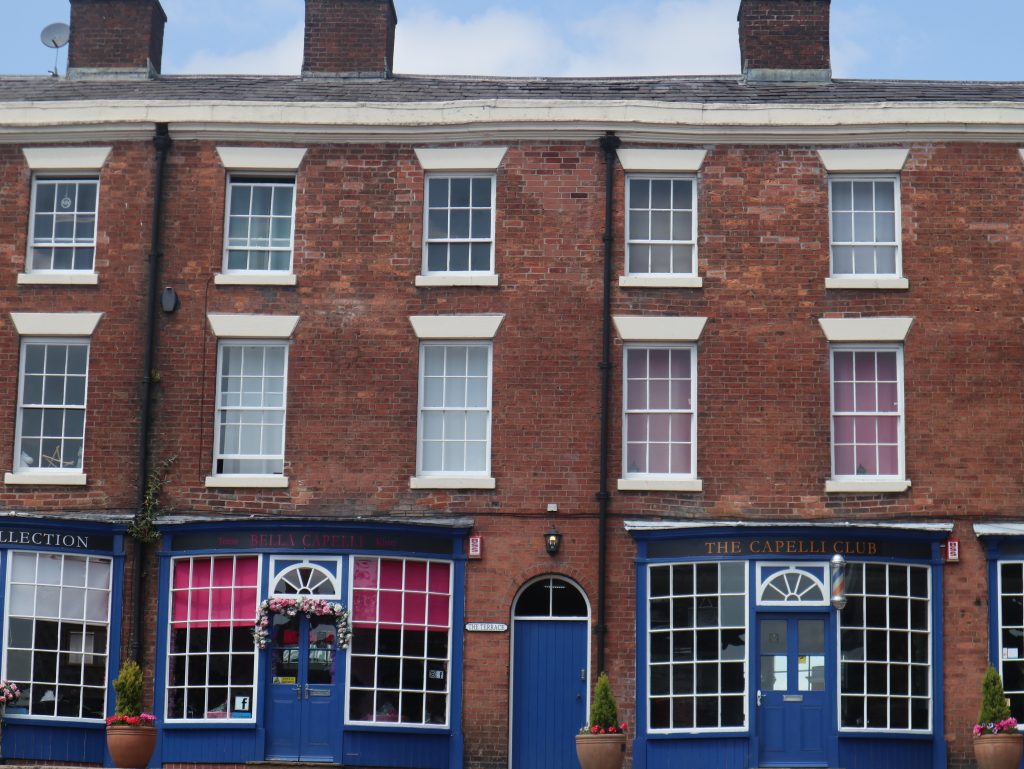
At the heart of Cheadle lies the Market Square, the traditional hub of trade and community life for centuries. Once bustling with stalls selling produce, crafts, and livestock, the square continues to be a focal point for local events and gatherings. Surrounded by handsome Georgian and Victorian buildings, it offers a sense of continuity—where townsfolk and visitors alike can imagine the long history of markets and meetings that have taken place here.
The Round House
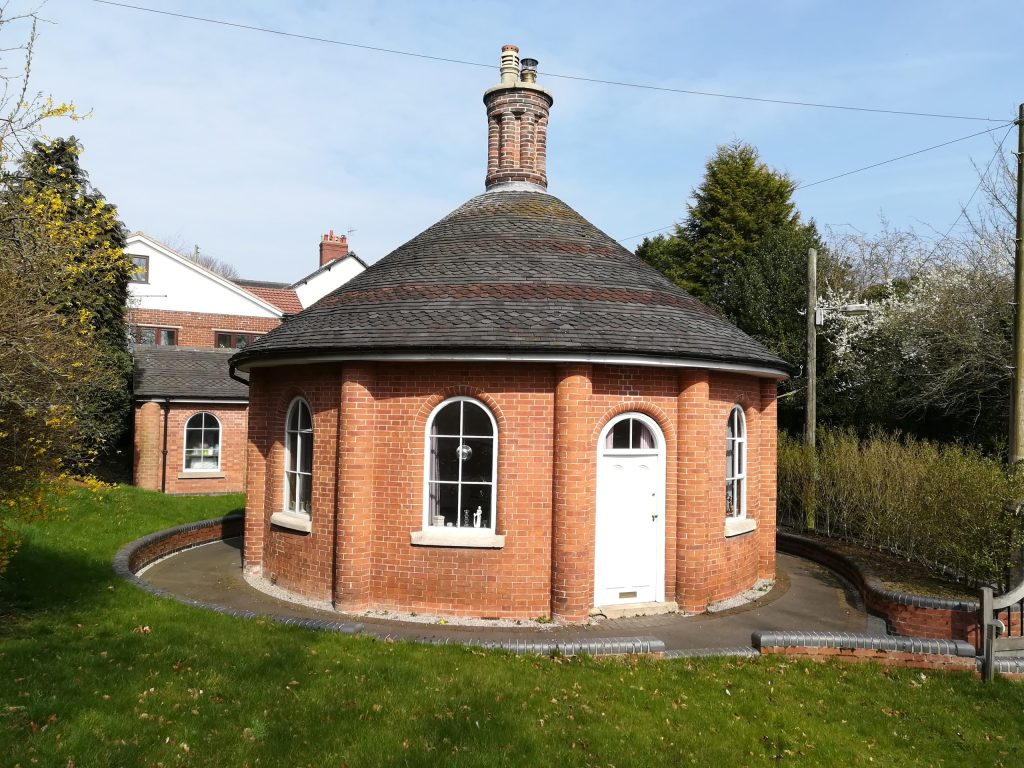
Nestled on Prince George’s Street, this diminutive yet delightful octagonal—or round—red-brick building is believed to have served as a lodge to a larger nearby estate during the nineteenth century. Its compact, quirky design has captured local imagination for generations, with some residents recalling it as a gatehouse or helper’s lodge at the foot of the adjacent property. Although no definitive records tie it to a physician’s residence as a reception, it retains its charm and historical intrigue—and has even been lived in as a very cosy residence until relatively recently. A local benefactor eventually restored the property, preserving its whimsical character for future generations.