Mary Blagg
Mary Adela Blagg (1858–1944) was a remarkable Cheadle-born astronomer whose pioneering work forever changed how we understand the Moon. Self-taught in mathematics, she began studying astronomy in her mid‑forties after attending local lectures in Cheadle. Her meticulous efforts culminated in the 1913 publication of the Collated List of Lunar Formations, which reconciled names and features across several 19th‑century lunar maps—a vital contribution later adopted by the International Astronomical Union

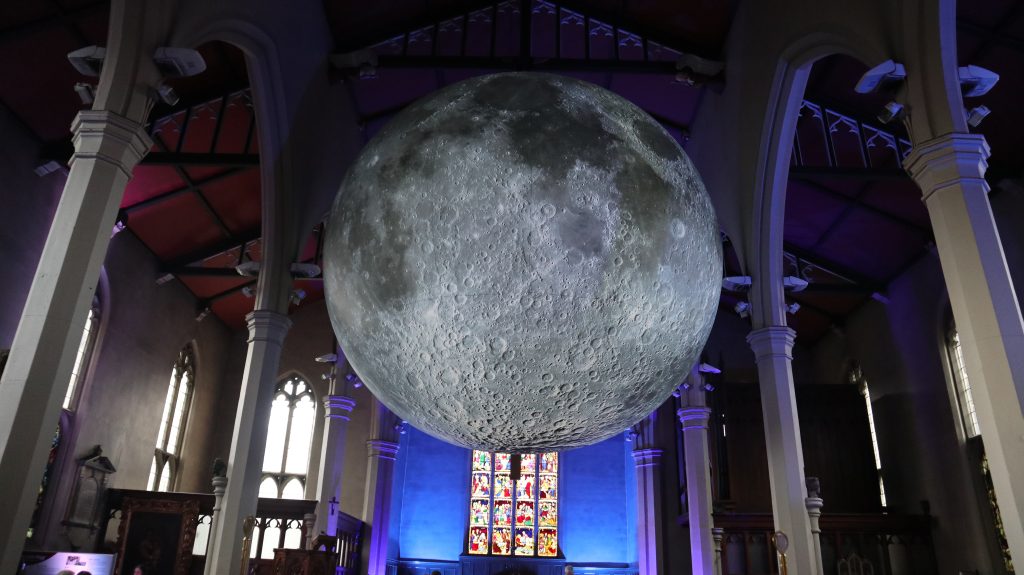
Though humble and reserved—blending into the Cheadle community—Blagg’s legacy is celebrated locally and internationally. A lunar crater bears her name, and in 2023 a minor planet was christened Maryblagg in her honour. In Cheadle, a memorial plaque and monument stand at Tape Street car park and St Giles’ churchyard, and community events like “Cheadle Moon” in 2024 showcased her story through exhibitions, talks, and educational resources—all celebrating a hometown heroine whose quiet dedication left an enduring mark on astronomy.
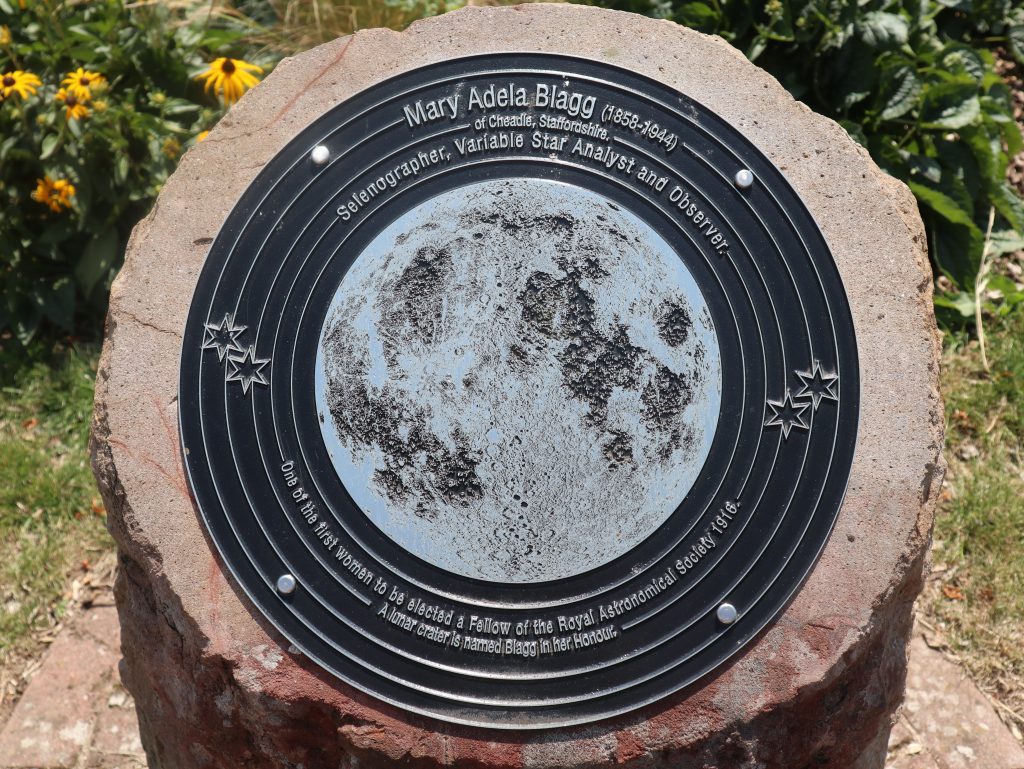
In 1916, Blagg became one of the first women elected a Fellow of the Royal Astronomical Society—recognized for her work not only in selenography but also in variable‑star research, collaborating with H. H. Turner on observational data. She went on to join the IAU’s Lunar Commission, partnering with Karl Müller to publish Named Lunar Formations in 1935—a definitive lunar reference until the Apollo missions.